
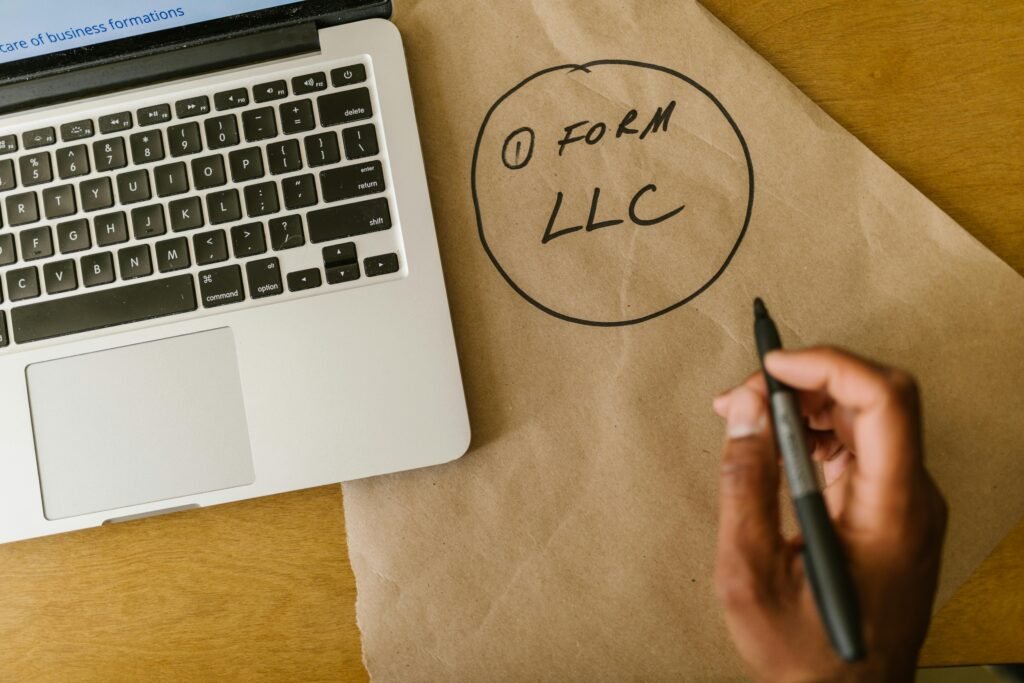
7 Smart Steps to Create Your U.S LLC with Confidence
Understanding LLC Formation in the U.S.
What is an LLC?
A Limited Liability Company (LLC) is a popular business structure in the U.S. that combines the characteristics of a corporation with those of a partnership. This unique entity provides owners, referred to as members, with personal liability protection against business debts and claims. For example, if your Wyoming LLC incurs debts, your personal assets—like your home or bank account—are generally shielded from creditors.
Benefits of Forming an LLC in the U.S.
Forming an LLC offers several compelling benefits:
- Personal Asset Protection: Protects personal assets from business liabilities.
- Flexible Tax Treatment: Choose to be taxed as a sole proprietor, partnership, S corporation, or corporation.
- Less Formality: Fewer ongoing compliance requirements compared to corporations.
- Credibility: An LLC can enhance your business’s credibility with customers and suppliers.
Starting your LLC can empower you to manage your business with confidence and security.
Initial Steps to Start Your U.S. LLC
Researching State Requirements
Before you embark on your journey to form an LLC, it’s essential to research the specific requirements of your chosen state. Each state has its own regulations regarding formation fees, publication requirements, and more. For instance, while Wyoming offers a streamlined process with minimal fees, other states might have more stringent requirements.
Choosing a Business Name
Next, selecting a business name is crucial. Your name should reflect the nature of your business and be unique. To streamline this process:
- Check availability through your state’s business registry.
- Ensure it adheres to state naming regulations (e.g., including “LLC” in the name).
Selecting a Registered Agent
A registered agent acts as your LLC’s point of contact for legal documents. It’s wise to choose an agent based in the state where your LLC is formed. Many entrepreneurs opt for professional services, especially if they do not have a physical presence in that state.
By taking these initial steps, you lay a strong foundation for your LLC, ensuring a smoother formation process!
Filing Your LLC Formation Documents
Completing Articles of Organization
Once you’ve navigated the initial steps, it’s time to file your LLC formation documents. The first crucial document is the Articles of Organization. This form officially establishes your LLC in the state. Key details typically include your business name, address, the duration of your LLC, and information about your registered agent.
Remember, accuracy is key! Even small errors can delay the process.
Creating an Operating Agreement
Following the Articles, it’s wise to draft an Operating Agreement. While not always required by law, this document outlines the company’s ownership structure and operating procedures. Here’s what to include:
- Member roles and responsibilities
- Distribution of profits and losses
- Procedures for adding or removing members
By having a clear Operating Agreement, you can avoid potential disputes and protect your business’s integrity as you grow. With these documents in place, you’re well on your way to establishing a successful LLC!
Obtaining an Employer Identification Number (EIN)
Importance of an EIN
After setting up your LLC, a crucial next step is obtaining an Employer Identification Number (EIN). The EIN acts like a Social Security number for your business, helping you manage tax responsibilities, hire employees, and open bank accounts. For instance, I remember when I first started my LLC; not having an EIN delayed my ability to set up a business bank account, ultimately slowing down my cash flow.
How to Apply for an EIN
Applying for your EIN is a straightforward process. Here’s how to do it:
- Visit the IRS website and access the online EIN application.
- Provide your LLC’s information, including the structure and members.
- Submit the application, and you’ll typically receive your EIN immediately.
Remember, having an EIN is not just a legal formality; it’s a vital tool to facilitate your business operations confidently and efficiently!
Compliance and Ongoing Requirements
Annual Filings and Reports
Once your LLC is up and running, it’s crucial to stay on top of compliance and ongoing requirements. Most states require annual filings or reports to keep your LLC in good standing. These filings typically include basic information about your business, such as the address, members, and any changes that may have occurred. For example, when I first filed my annual report, I was surprised at how simple the process was and relieved to know my LLC remained compliant with state laws.
Maintaining Good Standing
Maintaining good standing is essential to protecting your liability shield. To ensure this:
- Stay current with annual fees and report deadlines.
- Keep accurate financial records.
- Avoid legal disputes.
By diligently fulfilling these requirements, you not only safeguard your business entity but also create a trustworthy reputation among customers and partners. Plus, it gives you peace of mind while you focus on growing your business!
Understanding Liability Protection and Tax Implications
Limited Liability Protection
One of the standout features of forming an LLC is the limited liability protection it provides. This means that your personal assets—like your home and savings—are generally protected from business debts and lawsuits. For instance, if your Wyoming LLC were to face financial trouble, creditors couldn’t come after your personal belongings. This peace of mind was one of the main reasons I decided to opt for an LLC over a sole proprietorship.
Tax Treatment of LLCs
When it comes to taxes, LLCs offer flexible tax treatment. By default, the IRS treats single-member LLCs as sole proprietorships and multi-member LLCs as partnerships. However, you can choose to be taxed as an S corporation or C corporation if it benefits your business financially. This tax flexibility allows you to select the best option for your financial situation, potentially leading to significant savings. Understanding these implications can help you manage your business with greater confidence and strategic foresight!
Seeking Professional Help and Resources
Working with Business Attorneys
As your journey in the business world unfolds, it’s wise to consider consulting with a business attorney. They can offer valuable insights into complex legal structures, help draft contracts, and ensure compliance with state laws. For example, when I encountered a dispute with a vendor early in my entrepreneurship, my attorney navigated the legal waters for me, saving time and headaches. Here are some benefits of hiring an attorney:
- Customized legal guidance tailored to your LLC.
- Risk management strategies to protect your business.
- Assistance with tricky legal negotiations.
Utilizing Online Services and Tools
Additionally, online services can simplify the management of your LLC. Platforms like LegalZoom and Rocket Lawyer offer a range of resources, from document preparation to ongoing compliance reminders. These tools can save you both time and money, particularly if you’re a first-time business owner. By leveraging professional help and online resources, you empower yourself to grow your business with confidence and clarity!